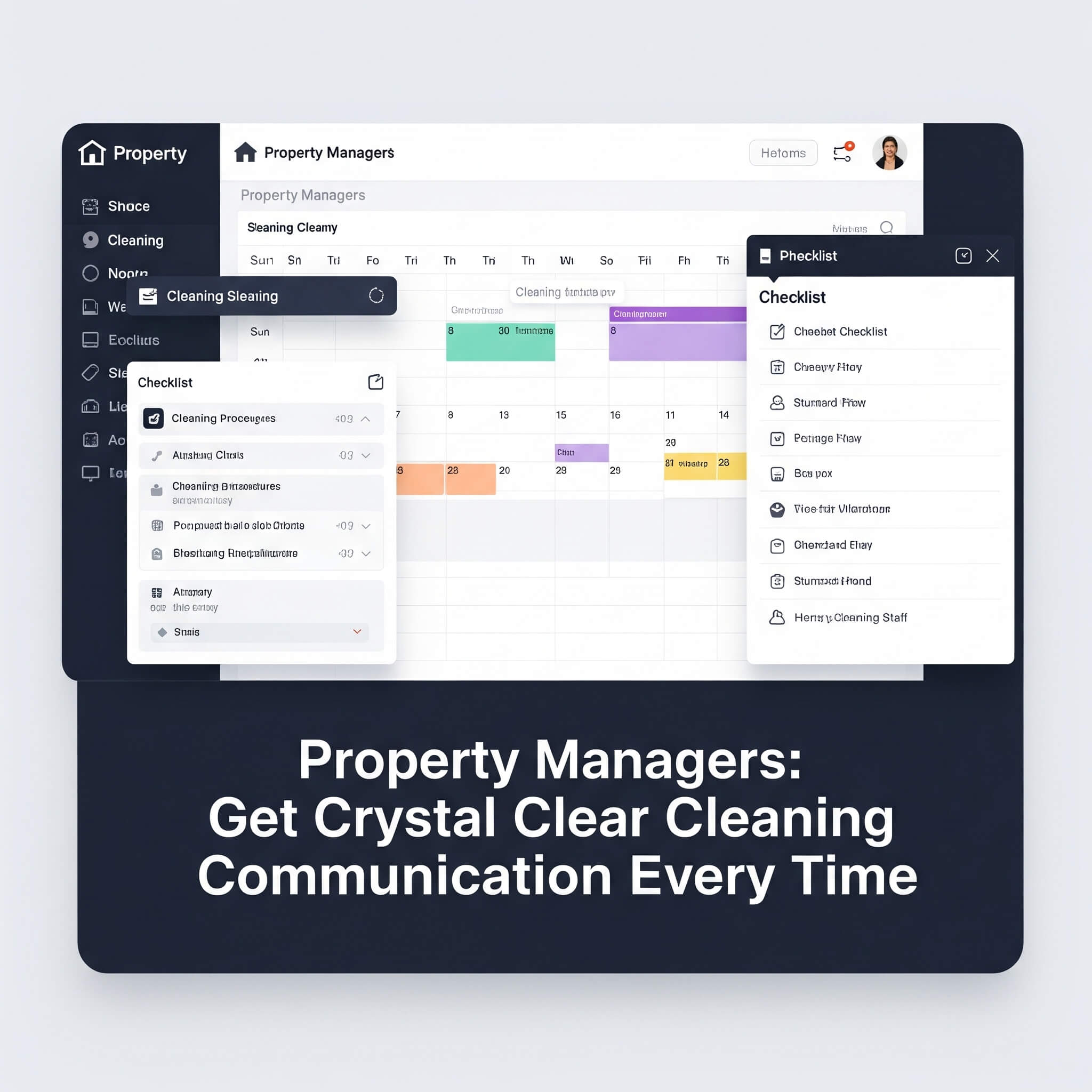
Property Managers: Get Crystal Clear Cleaning Communication Every Time
As a property manager, juggling tenant needs, maintenance requests, and property upkeep is part of the daily grind. Among these crucial tasks, ensuring properties are consistently clean stands out. Whether it’s preparing a unit for a new tenant, maintaining common areas, or handling specific cleaning requests, the quality of cleaning directly impacts tenant satisfaction, the property’s value, and your professional reputation. However, achieving consistent, high-quality cleaning often hinges on one critical factor: crystal clear communication with your cleaning staff or vendors.
Poor communication leads to missed spots, incorrect supplies used, scheduling conflicts, and ultimately, frustration and wasted resources. This article explores why clear cleaning communication is non-negotiable and provides actionable strategies to ensure your cleaning expectations are met, every single time.
Why Clear Cleaning Communication is Essential
Effective communication isn’t just a nice-to-have; it’s fundamental to successful property management, particularly concerning cleaning. Here’s why:
- **Meets Tenant Expectations:** Cleanliness is often the first thing potential tenants notice and a constant factor for current residents. Clear communication ensures their living environment meets or exceeds their standards.
- **Protects Property Assets:** Proper cleaning techniques and products, communicated clearly, prevent damage to surfaces and fixtures, preserving the long-term value of the property.
- **Enhances Efficiency:** Avoiding misunderstandings reduces the need for costly and time-consuming re-cleans or corrections.
- **Minimizes Disputes:** Clear documentation and communication can prevent disagreements with cleaning vendors or tenants regarding cleaning standards or charges (e.g., during move-out).
- **Builds Strong Relationships:** Professional and clear communication fosters trust and a positive working relationship with your cleaning team, encouraging their best work.
Key Areas for Communication Clarity
To achieve crystal clear communication, you need to address specific aspects of the cleaning process:
- **Scope of Work:** What specific areas need cleaning? What tasks are included (e.g., inside the oven, baseboards, windows)?
- **Standards & Quality:** How clean is “clean”? Specify expectations for different surfaces and areas (e.g., streak-free mirrors, dust-free blinds).
- **Schedule & Access:** When should the cleaning happen? How will the cleaning team gain access to the property? Are there time constraints?
- **Reporting & Feedback:** How should the cleaning team report completion or flag issues they find (e.g., damage, maintenance needs)? How will you provide feedback on their work?
- **Supplies & Equipment:** Who provides cleaning supplies? If the cleaning team does, are there specific types or brands required (e.g., eco-friendly, for specific surfaces)?
Strategies for Achieving Crystal Clear Communication
Implementing structured communication methods can transform your cleaning operations. Here are proven strategies:
- Develop Comprehensive Cleaning Checklists: This is perhaps the single most powerful tool. Create detailed, room-by-room checklists specifying every task. These should be standard for different types of cleans (e.g., move-out, common area, routine). Provide these checklists to your cleaning team and use them yourself during inspections. Include specifics like “Clean inside microwave,” “Wipe down all doorknobs,” “Sweep and mop balcony.”
- Formalize the Scope of Work (SOW): Go beyond a basic list. Document the agreed-upon SOW in a formal agreement or contract. This should detail frequencies, specific tasks for different property types (apartments, houses, commercial spaces), and any special instructions. Professional property management associations like NARPM often provide resources on creating service agreements.
- Establish Clear Reporting Procedures: How will you know the job is done? How should the cleaning team report broken items or pre-existing damage they encounter? Implement a system: a simple form, a dedicated app, or a protocol for sending an email with photos upon completion or issue discovery. This creates a **digital trail**.
- Designate a Single Point of Contact: Avoid confusion by having one primary person from your property management team communicate with the cleaning supervisor or owner. This streamlines questions, instructions, and feedback.
- Implement a Feedback Loop and Inspection Process: Regularly inspect completed cleaning jobs using your checklists. Provide prompt, specific feedback – both positive reinforcement and constructive criticism. Encourage the cleaning team to also provide feedback on access issues, property condition, or ways to improve the process. This two-way street is vital for continuous improvement.
- Leverage Technology: Property management software often includes features for scheduling and tracking maintenance and cleaning tasks. Dedicated cleaning management apps can facilitate communication, checklist usage, photo sharing, and reporting in real-time. Industry resources like IREM may offer insights into technology solutions for property managers.
- Provide Training and Onboarding: When starting with a new cleaning service or staff member, don’t just hand them a key. Walk them through your expectations, provide the checklists, demonstrate access procedures, and review reporting protocols. Ensure they understand the importance of their role in maintaining your property’s standards.
Putting It Into Practice
Implementing these strategies requires initial effort, but the long-term benefits of improved cleaning consistency and reduced headaches are well worth it. Start by formalizing your checklists and SOW. Communicate these documents clearly in a meeting or dedicated onboarding session. Then, consistently use your reporting and inspection processes to provide ongoing feedback.
Thinking about cleaning less as a simple task and more as a critical service that requires documented processes and structured communication will elevate your property management operations. By investing time in setting up these clear communication channels, you’re not just getting cleaner properties; you’re building more efficient processes and stronger relationships with your service providers.
For further reading on optimizing property maintenance and tenant relations, explore resources like our guide on Essential Property Maintenance Practices or strategies for Improving Tenant Communication (simulated internal links).
Conclusion
In the demanding world of property management, where every detail counts, clear communication with your cleaning team is a powerful tool for success. By implementing standardized checklists, detailed scopes of work, clear reporting, and consistent feedback loops, you create an environment where expectations are understood, and high-quality cleaning is the norm, not the exception. Make the investment in crystal clear cleaning communication today, and watch your tenant satisfaction and property standards rise.
